Epic Data Conversions and Archiving
Unmatched Epic Expertise from a Trusted Partner
Whether you are moving to Epic or are planning an archiving project, we can help you extract, convert, archive and manage your data. With more than 20 years of experience in healthcare data management, we have deep Epic-specific expertise supporting Epic conversions, legacy data archiving projects, and providing seamless integrations from Epic to our archiving solution.

Why Choose Harmony Healthcare IT?
500+ Clients
Across the healthcare continuum trust our expertise in data management.
HITRUST Certified
Ensuring we meet the highest standards in data protection and security.
Epic Integrations
Single Sign-On, Legacy Record Indicator, Secure Record Delivery and more.
KLAS Recognized
Recognized in KLAS Consistent High Performers Report.
Efficient Processes. Rapid Epic Timelines.
A Proven Strategy for Epic Conversion and Archiving
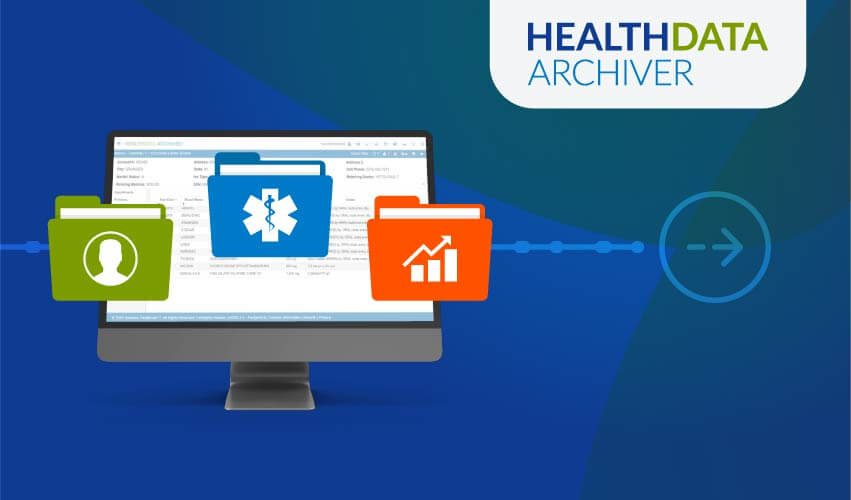
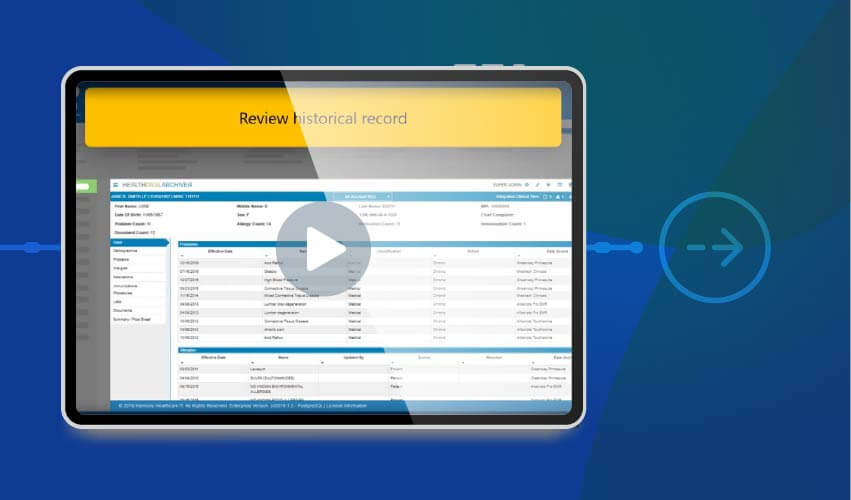
Typically, customers choose to convert one to two years of clinical data to Epic. The rest of the clinical data—along with historical enterprise resource planning (ERP), revenue cycle, and other system data—is extracted and consolidated into our active archive, HealthData Archiver®. The archived data is easily available to clinicians at time of care through secure Single Sign-On capabilities from Epic. Legacy Record Indicator provides added convenience by indicating when patients have an associated archived record in HealthData Archiver®.
Implementing a robust plan for active and legacy data is best practice when migrating to a future-oriented EHR like Epic — and our reliable, expert-led process ensures nothing is overlooked. We apply innovative workflows and proven methodology to streamline projects and reduce risk.
Our experts can help guide your EHR change management planning and inform system decommissioning and data archive initiatives.
Leverage Our Experience With Epic to Optimize Your Data
- Our team includes Epic analysts holding Bridges, Data Courier, Caboodle, etc. certifications who ensure that data is structured, validated, and delivered in accordance with Epic’s interface specifications and operational workflows.
- EHR data conversion services are specialized and critical. Our team and processes are intimately familiar with Epic’s implementation plans, timelines, import specifications, and testing approach:
- Small-scale testing
- Large-scale testing
- Full-scale testing
- Production data load
- Pre go-live data load
- Post go-live data load
- We generate custom validation scripts and structured testing plans aligned with small-scale, large-scale, and full-scale testing milestones. These tools streamline stakeholder engagement and ensure that validation efforts are both targeted and traceable.
- HealthData Archiver® consolidates the unconverted legacy data so legacy systems can be decommissioned. This archive maximizes user access from Epic via Single Sign-On, Secure Record Delivery, and Legacy Record Indicator integrations.
- We are proficient at assisting smaller organizations moving to Epic’s Community Connect or Garden Plot. We’ll migrate selected data into Epic and archive the rest so users can access historical records as part of a secure and cost-effective solution.
Available in Connection Hub on Epic Showroom
HealthData Archiver® enables SSO access from Epic with a visual Legacy Record Indicator, while Secure Record Delivery sends archived records to patients via MyChart.
Executing Your Epic Data Management
Learn more about HealthData Platform™, our enterprise-wide solution that enables secure extraction, migration, archiving, integration, and access to patient, employee, and business records—all leveraging a scalable, compliant infrastructure.
Available in Connection Hub on Epic Showroom
HealthData Archiver® enables SSO access from Epic with a visual Legacy Record Indicator, while Secure Record Delivery sends archived records to patients via MyChart.
Why Archive Data?
Consolidation
By merging numerous legacy data silos into one secure archive, HealthData Archiver® enables accessible, long-term storage via Single Sign-On and other Epic integrations.
Reduced Costs
Keeping legacy systems running gets expensive in a hurry with maintenance, licensing, backup, and other costs. Older systems are also vulnerable to security breaches.
Compliance
HealthData Archiver® complies with record retention mandates and supports interoperability requirements of the 21st Century Cures Act.
Better Backup
A backup copy of your data may be secure, but it lacks the necessary searchability and user workflows of an active archive like HealthData Archiver®.
FAQ
Does Epic have APIs?
Yes, Epic has hundreds of application programming interfaces (APIs) that utilize USCDI v1 FHIR (a common language organizations use to better support data exchange) as well as other industry-standard APIs and Epic Public APIs. APIs allow information systems to communicate and transfer data back and forth between systems. This is a step forward for interoperability between healthcare providers, payers, patients, and other users for improved cooperative use of health data across the care continuum. API standards ensure data movement and integration are addressed. Harmony Healthcare IT leverages Epic APIs and other APIs to enable our integrations.
What types of patient health data can we migrate to or from Epic?
Harmony Healthcare IT has served many healthcare organizations—from single providers to large Integrated Delivery Networks (IDNs)—in their transition to Epic. Our solutions support these organizations in seamlessly managing their data and ensuring a smooth integration into their new, modernized systems.
As healthcare providers align their hospitals and clinics onto a single integrated platform to improve patient experience, streamline clinical workflows, and enhance data analytics, certain data must migrate to or from Epic, and the remaining legacy data must move to our active archive. Our team automates the migration of structured data from EHRs to and from Epic and can resolve data fidelity and interoperability issues for more complete, clean, and consumable clinical data.
How will we ensure compliance with healthcare data privacy regulations such as HIPAA?
Harmony Healthcare IT is part of an elite group of organizations worldwide with HITRUST-CSF(R) certification. We support data privacy compliance by migrating health and operational data to meet regulatory guidelines and record retention policies. HealthData Archiver® reinforces compliance with audit trails, break-the-glass and error correction/addenda features, as well as record find, search, and security capabilities. Our industry experience supports the highest level of compliance before, during, and after a migration.
How should organizations approach legacy data when migrating to Epic?
A robust plan for both active and legacy data is recommended. This includes taking a system inventory, identifying which data should be converted into Epic, and determining what should be archived for long‑term access.
How is the system inventory conducted before an Epic migration?
The inventory process captures details from the systems planned for retirement, including contract renewal dates, system static dates, and A/R wind‑down plans, helping determine the order of system decommissioning.
What data is typically converted to Epic?
Generally, one to two years of clinical data are converted into Epic, while older clinical data—as well as ERP, revenue cycle, and other system data—is extracted and consolidated into the active archive (HealthData Archiver®).
How is archived data accessed after migrating to Epic?
Archived data is made accessible to clinicians at the point of care through secure Single Sign‑On capabilities.
Why is specialized data conversion important for an Epic project?
EHR data conversion is complex and critical. Your conversion partner should be extremely familiar with Epic’s implementation plans, timelines, import specifications, and validation processes to ensure a smooth transition.
Key Resources
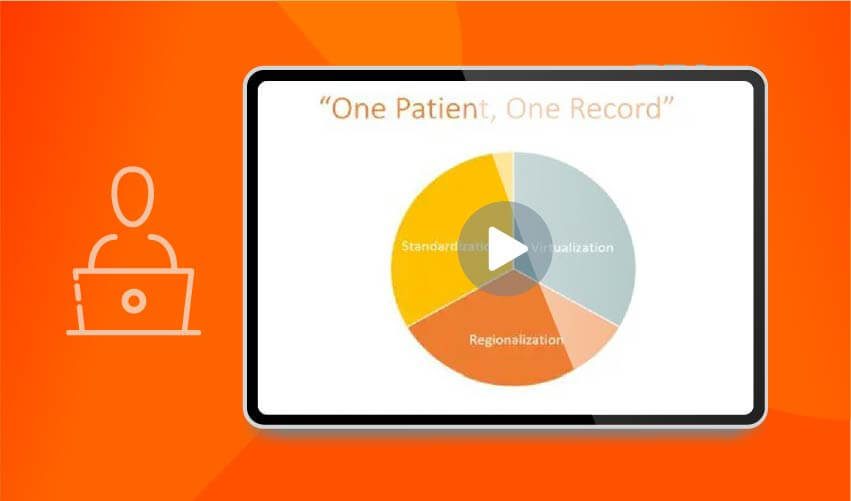
Check out our resources, including our Epic conversion best practices webinar and our Epic conversion readiness checklist.